
Under its G20 presidency, India successfully championed the global pledge to double the rate of energy efficiency improvement by 2030. With an energy import bill that frequently exceeds $250 billion annually, enhancing efficiency is crucial for strengthening energy security, reducing economic vulnerability to price shocks, and meeting its ambitious Nationally Determined Contributions (NDCs) under the Paris Agreement.
Historically, India has demonstrated decoupling of economic growth from energy consumption. The country's energy intensity has been on a consistent downward trend –successfully reduced the energy intensity of its economy by over 35%, between 2005 and 2022, while the GDP grew more than double during the same period.
The efforts led by the Bureau of Energy Efficiency (BEE) on several key sectors include:
1

Perform, Achieve and Trade (PAT) Scheme: India’s flagship program sets mandatory energy reduction targets for the most energy-intensive industries (like aluminum, cement, steel, thermal power plants). Industries that overachieve their targets can sell energy-saving certificates to those who underachieve.

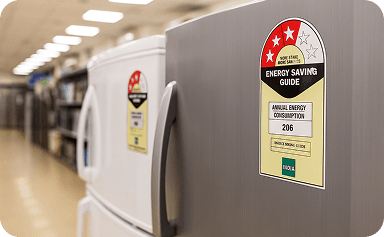
Standards and Labeling (S&L): A "Star Rating" program gives energy efficiency rating based on energy performance for 40 appliances like air conditioners, refrigerators, fans etc. The program continuously tightens standards, pushing manufacturers to produce more efficient products.
2
3
ECO-Niwas Samhita: This is the equivalent code for residential buildings, promoting sustainable design and construction.

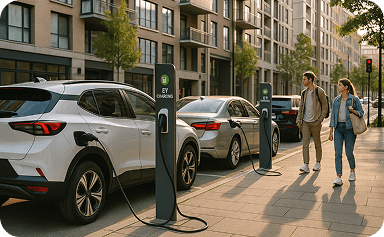
4
5
Street Lighting National Programme (SLNP): A massive initiative to replace conventional streetlights with energy-efficient LEDs, leading to huge energy savings for cities.

1
Partnered with Bureau of Energy Efficiency India on strengthening energy efficiency commitments within G20 outcome.
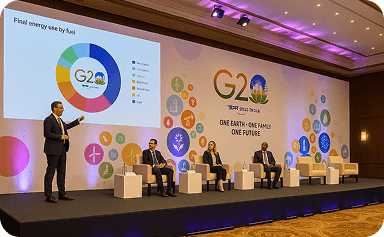

It presents opportunities to accelerate energy efficiency progress across buildings, industry, transport, finance for energy efficiency and behavioural and lifestyle changes to support the G20 Energy Transition Working Group deliberations.
2
3
Provide in-country technical assistance on a wide set of initiatives to elevate, support and invest in energy efficiency at national and sub-national level in India.
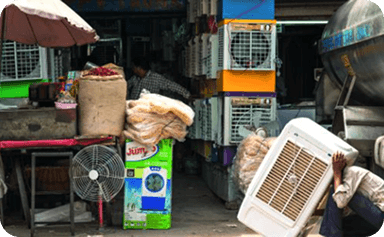
*The data is for the financial year 2020–21.*The boundaries and names shown and the designations usedon this map do not imply official endorsement or acceptance by the United Nations.
Alliance for an Energy Efficient Economy (AEEE), is one of the leading organisation in India that works on creating awareness about energy efficiency as a resource. AEEE supports policy implementation and is an energy efficiency market enabler with a not-for-profit motive. We promote data-driven and evidence-based energy efficiency policies and research.